

Are you making these common mistakes that could derail your ketogenic journey?
Starting a keto diet is exciting and can change your life. But, it’s easy to make mistakes. Success on the keto diet is more than just cutting carbs. It’s about finding the right balance and being aware of several challenges.
Maybe you’re having trouble avoiding hidden carbs or keeping your electrolytes balanced. Staying on keto can feel tough. Let’s look at these mistakes and find ways to beat them. This way, you can keep a healthy and effective keto lifestyle.
Quick Recommendation: Our blog covers the mistakes and pitfalls to avoid on a ketogenic diet. If you are looking to dive deeper into the world of keto, we recommend The Ultimate Keto Meal Plan.
Not Eating Enough Fat
When you’re on a ketogenic diet, it’s important to eat enough fat. This diet uses fats for energy instead of carbs. If you don’t get enough fat, you might not see the best results.
It’s key to know where to find good fats. Avocado and olive oil are great because they’re full of healthy fats. Nuts and fatty fish like salmon also add variety to your diet. They give you the fatty acids and nutrients you need to stay in ketosis and stay healthy.
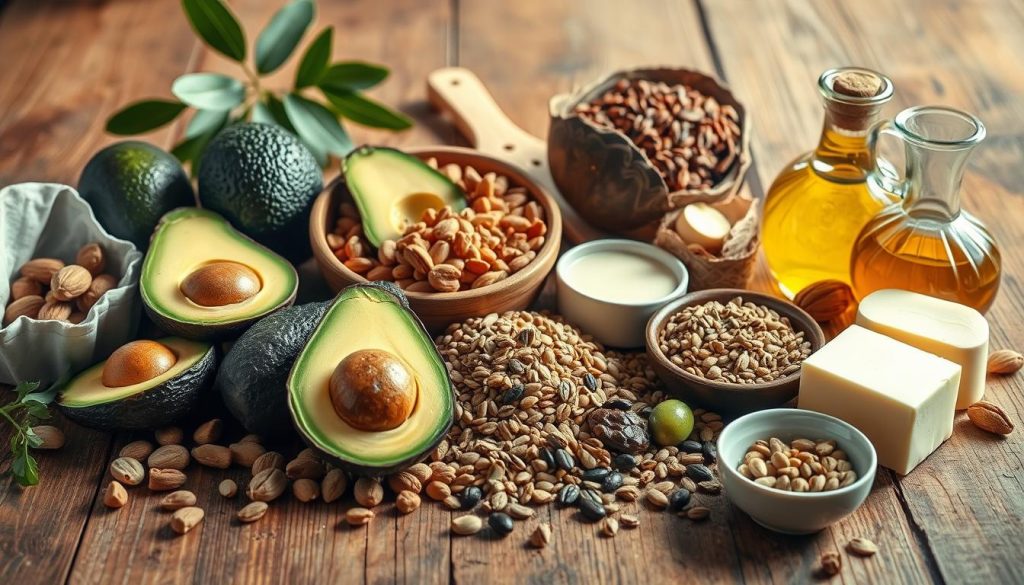
To meet your fat needs, change your meals to include more fat. You can use olive oil on salads, eat almonds, or make a creamy avocado smoothie. Remember, eating enough fat is crucial. Try different fats to keep your body fueled and your keto diet going strong.
Ignoring Electrolyte Balance
Starting a keto diet can lead to fatigue and headaches, known as the “keto flu.” It’s important to keep your electrolyte balance in check. Electrolytes like sodium, potassium, and magnesium are key for your body’s function.
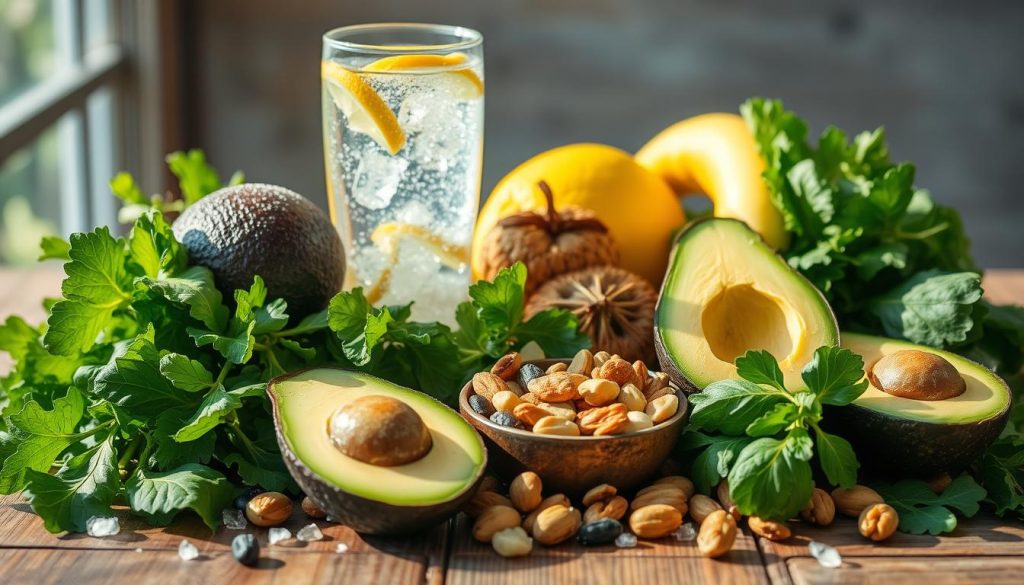
To manage your keto electrolytes, eat foods rich in these minerals or use supplements. Adding salt to your meals can boost sodium levels. Avocados and leafy greens are great for potassium. Nuts and seeds are good sources of magnesium, helping keep your energy up.
Keeping your electrolytes balanced helps your body adjust to the keto diet. It prevents fatigue and muscle cramps. By managing your electrolyte intake, you can stay energized and healthy on a keto diet.
Not Drinking Enough Water
Many people on a keto diet forget to drink enough water. The link between keto and water intake is very important. When you cut down on carbs, your body starts ketosis, which makes you lose fluids faster.

It’s key to know you need more water on a keto diet. Drinking water helps your body burn fat better and keeps your kidneys working right. Staying hydrated also helps avoid headaches, fatigue, and muscle cramps, common in the keto diet’s first phase.
To stay hydrated on keto, drink half your body weight in water each day. If you’re 160 pounds, drink about 80 ounces of water. Also, watch your electrolyte levels to keep fluids in and stay healthy.
Eating Hidden Carbs
Keeping to a keto diet can be tough because of hidden carbs in food. These carbs can throw off your diet and get you out of ketosis. To avoid carbs on keto, you must watch what you eat closely.
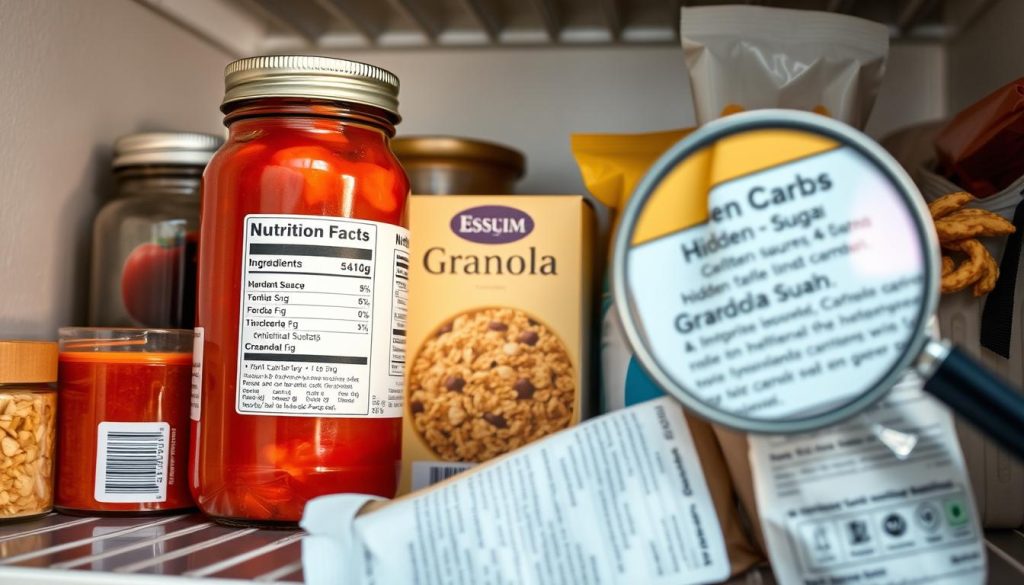
Begin by checking food labels carefully. Even foods that seem keto-friendly can have hidden sugars or starches. Look out for ingredients like maltodextrin, dextrose, and other sugars with tricky names.
Sauces and dressings often hide carbs. Choose homemade versions whenever you can. Store-bought ones usually have sugars or thickeners. Knowing which foods have hidden carbs is crucial. For example, some nuts and seeds have more carbs than you think, so control your portions.
Identifying and avoiding hidden carbs on keto needs attention and effort. By making smart choices, you can keep your diet on track. This way, you can enjoy the keto lifestyle without surprises.
Lack of Meal Planning
One big problem with sticking to a keto diet is not planning meals well. Good keto meal preparation means you always have tasty, keto-friendly foods ready. This helps you stay on track with your diet.
Begin your keto diet meal planning by setting aside time each week. Plan out your meals for the week, including breakfast, lunch, dinner, and snacks. This way, you’ll stay on your diet, save time, and avoid daily cooking stress.
Batch cooking is a smart move for keto meal preparation. Spend a few hours on the weekend making big batches of keto meals. Then, you can refrigerate or freeze them. This means you always have a meal ready when you’re short on time or feeling unmotivated.
Also, prepare keto-friendly snacks like cheese sticks, boiled eggs, or mixed nuts. These snacks help keep you on track between meals. They make sure you get the nutrients you need.
By taking these steps in keto diet meal planning, you can stick to your keto lifestyle better. Being prepared makes it easier to enjoy your ketogenic diet without feeling left out or overwhelmed.
Quick Recommendation: Our blog covers the mistakes and pitfalls to avoid on a ketogenic diet. If you are looking to dive deeper into the world of keto, we recommend The Ultimate Keto Meal Plan.
Overeating Protein
One common mistake on the ketogenic diet is eating too much protein. Protein is important, but too much can throw you out of ketosis. This happens because your body turns extra protein into glucose, a process called gluconeogenesis. To avoid this, make sure to keto protein moderation in your meals.
It’s important to have the right amount of protein intake on keto. You need to measure your protein servings carefully. Choose moderate portions that fit your keto macros. Use a food scale and apps like MyFitnessPal or Carb Manager to track your intake.
The aim is not to cut out protein but to eat it wisely. By practicing keto protein moderation, you’ll be more likely to stay in ketosis. This is crucial for the success of your ketogenic diet.
Relying on Processed Keto Foods
One common mistake in the keto journey is relying too much on processed keto foods. These products might be easy to find, but they often have unhealthy additives and low-quality fats. This can slow down your progress.
Choosing whole foods on keto is a better choice. Whole foods are packed with nutrients and help keep you healthy. Instead of grabbing a pre-packaged keto snack, try nuts, a fresh avocado, or high-quality meat. This way, you feed your body with essential vitamins and minerals.
Staying away from processed keto products also keeps your diet clean. These foods can have hidden carbs and artificial ingredients that slow you down. Whole foods have simpler ingredients, making your keto diet cleaner and more effective. So, think twice before grabbing that processed keto bar. Choose whole foods on keto to stay healthy and on track.
Not Getting Enough Fiber
Following a keto diet can make it hard to get enough fiber. Yet, fiber is key for good digestion and a healthy gut. Without enough, you might get constipated.
To boost your fiber without breaking ketosis, try low-carb veggies. Spinach, broccoli, and cauliflower are great. They’re full of fiber but low in carbs.
Seeds like flaxseeds and chia seeds are also good for fiber. Add flaxseeds to smoothies or salads. Use chia seeds in pudding or yogurt. Both add fiber without affecting your keto diet.
By adding these fiber-rich foods to your meals, you meet your fiber needs. This helps with digestion and keeps you full. It makes sticking to your keto diet easier.
Giving Up Too Soon
Feeling the urge to quit the ketogenic diet is common, especially in the first weeks. You might face strong cravings, keto flu, or a weight loss plateau. But, it’s important to remember that your body is just adjusting to a new diet.
Staying committed is vital for success on a ketogenic diet. Persistence is key to enjoying long-term benefits like better energy and lasting weight loss. The early challenges might make you doubt, but don’t give up.
Your body changes a lot as it starts burning fat instead of glucose. This change can be tough, but it’s a normal part of the process. Give your body time to adjust, and you’ll see the benefits last longer.
When you feel like quitting, think about the long-term gains. Trust in your body’s ability to adapt. You’ll find that the benefits far outweigh the initial struggles.
Conclusion
Starting your keto journey can be very rewarding. But, it’s important to avoid common pitfalls for lasting success. Mastering the keto diet means more than just cutting carbs. It’s about a strategic approach.
You need to make sure you get enough fat and balance your electrolytes. Staying hydrated and planning your meals are also key. Each step is important for a great experience and reaching your wellness goals.
Knowing hidden carbs and managing protein intake are crucial. Choosing whole, unprocessed foods also helps a lot. Adding fiber-rich foods and staying committed, even when it’s hard, are essential.
Understanding and avoiding common mistakes will help you improve your health for good. By making the right changes, you lay a strong foundation for your keto diet. Every step you take brings you closer to a healthier, more fulfilling life.
Quick Recommendation: Our blog covers the mistakes and pitfalls to avoid on a ketogenic diet. If you are looking to dive deeper into the world of keto, we recommend The Ultimate Keto Meal Plan.