
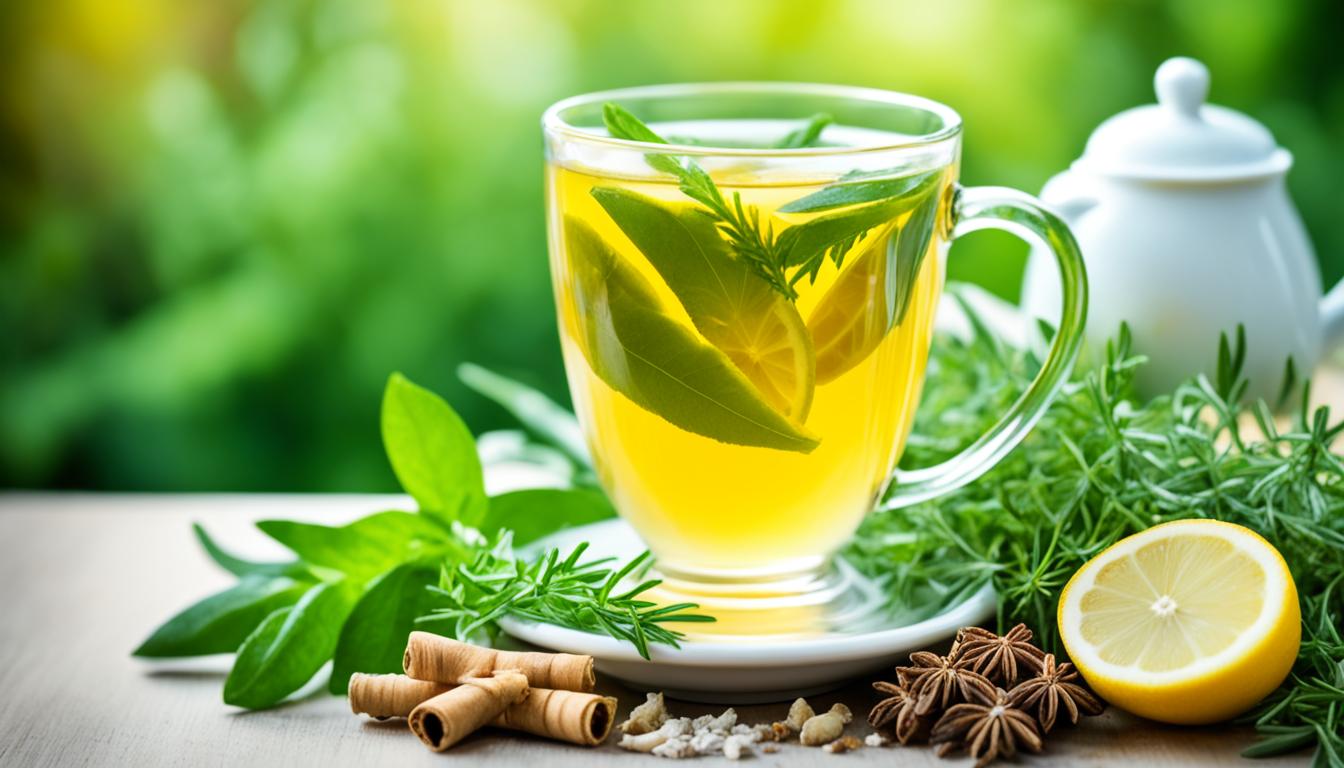
Can old herbal remedies really boost your immune system and fight off cold and flu? As winter comes, many look for natural ways to stay healthy. These remedies, based on ancient herbal medicine, are becoming popular for those who want to avoid synthetic drugs.
More people are choosing natural health options, focusing on plants and herbs for their health benefits. These solutions have been used for ages and are now part of modern wellness trends. They can help you stay healthy during the cold and flu season. Let’s explore how to add these powerful remedies to your daily life.
Quick Recommendation: Our blog takes you through herbal solutions for cold and flu season. If you're interested in exploring herbs and herbal remedies more comprehensively, we recommend the Herbs for Health eBook.
Introduction to Herbal Remedies
Herbal medicine has been around for centuries. It offers natural remedies that connect us with traditional medicine. These plant-based healing methods have a rich history and cultural importance. They show how nature can help keep us healthy.
Traditional medicine is simple yet effective. It uses different parts of plants like leaves, roots, bark, and flowers. You can find these remedies in teas, tinctures, capsules, and essential oils. This makes it easy to add herbal medicine to your daily life.
In recent years, herbal medicine has gained more attention. More people are choosing it for its few side effects and natural approach to health. Studies and health trends now support this move, showing the benefits of natural remedies alongside modern medicine.
Exploring plant-based healing is a good alternative to traditional treatments. It lets you use nature’s power. By learning about herbal medicine, you’ll appreciate its impact on healthcare history even more.
Benefits of Using Herbs for Cold and Flu
Using herbs during cold and flu season can bring many benefits. They help support your immune system and fight the flu virus. These natural remedies improve your respiratory health, making congestion and coughs easier to manage.
Herbal remedies offer a holistic approach that suits your body’s needs. They have fewer side effects compared to traditional medicines. Studies show that antiviral herbs can prevent and help treat illnesses.

This approach treats symptoms and the underlying causes, promoting long-term wellness. By using nature’s antiviral herbs, you get a full health solution without synthetic chemicals.
Popular Herbs for Cold and Flu Prevention
Certain herbs are known for helping prevent colds and flu. Echinacea, elderberry, and astragalus are top choices for boosting immunity. Let’s explore why they are so effective.
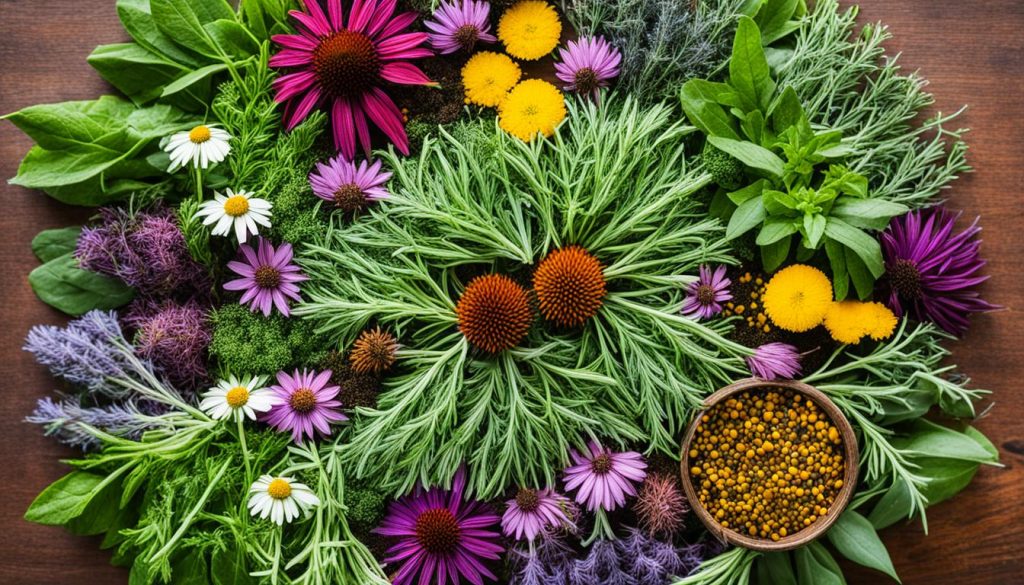
Echinacea is famous for strengthening the immune system. Studies show it might lower the risk of getting a cold by boosting white blood cells. Many people take echinacea every day, especially in flu season.
Elderberry is a top pick for natural cold prevention. Research finds it can shorten flu symptoms. It’s full of antioxidants that help keep the immune system strong. Elderberry is a popular choice for fighting off winter illnesses.
Astragalus is less known but valued in traditional Chinese medicine. It’s thought to help the immune system and may prevent colds and flu. Adding astragalus to your diet could be a smart way to stay healthy.
Using these herbs can naturally boost your immune system. You can enjoy them in teas, supplements, or tinctures. These options are supported by both stories from people and scientific studies.
Quick Recommendation: Our blog takes you through herbal solutions for cold and flu season. If you're interested in exploring herbs and herbal remedies more comprehensively, we recommend the Herbs for Health eBook.
Herbal Teas to Ease Symptoms
Soothing teas can be a big help when you’re fighting a cold or flu. They help ease throat pain and work as natural decongestants. This makes them a key part of your wellness plan during the cold season.
Chamomile tea is known for its calming effects. It can lessen throat irritation and act as a gentle anti-inflammatory. Ginger tea, with its warm taste, is another top pick. Its natural decongestant qualities help clear sinuses and soothe the throat.
Peppermint tea is perfect for its cool feeling and ability to open up the nasal passages. It’s a great natural decongestant that also helps with throat pain. Licorice root tea is another good option for its anti-inflammatory and soothing effects on a sore throat.
To get the most out of these teas, use freshly boiled water and steep them for 5-10 minutes. Drinking 2-3 cups a day can really help you feel better and recover faster.
Essential Oils for Cold and Flu Relief
Essential oils can help ease cold and flu symptoms. Aromatherapy uses essential oils for health and well-being. Eucalyptus oil, peppermint oil, and tea tree oil are great for congestion relief and boosting the immune system.
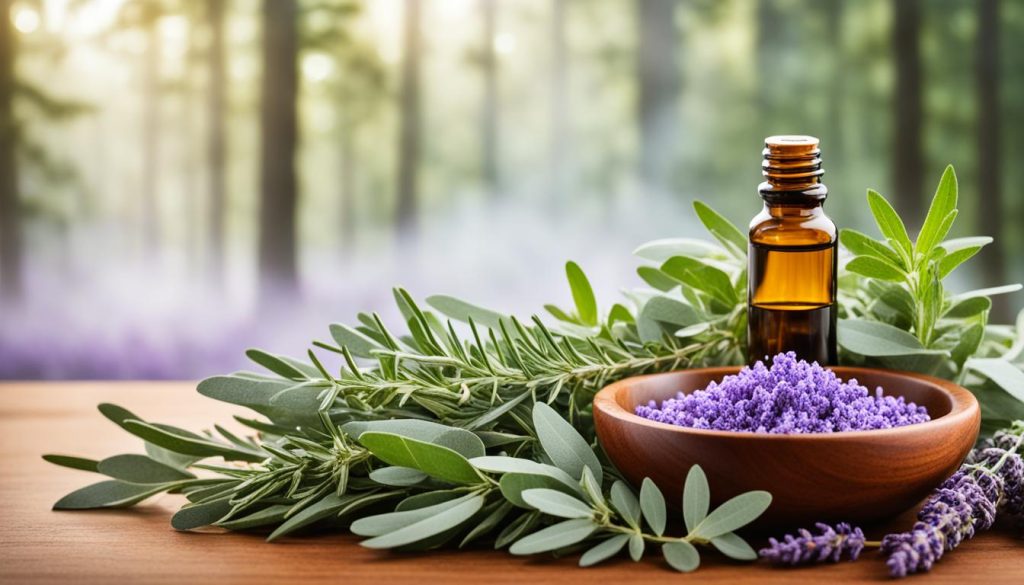
Eucalyptus oil has a strong scent that helps clear mucus and open airways. It’s often used in steam inhalation therapy. Just add a few drops to hot water.
Peppermint oil is versatile and cools the throat and relieves headaches. Mix it with coconut oil for chest and temple relief.
Tea tree oil fights viruses and germs. Diffuse it in your home to boost your immune system.
Use these oils through inhalation, topical application, or diffusion. Always follow dilution guidelines and talk to a doctor if you have health concerns or allergies.
Essential oils in aromatherapy can target cold and flu symptoms. Use high-quality oils for best results.
How to Safely Use Herbal Remedies
It’s key to know how to use herbal remedies safely. Always follow the dosage instructions to avoid bad side effects. Herbs should be used right to help you without harm.
Make sure to use herbal remedies as directed on the label or by a doctor. Wrong dosages can make the treatment not work or even be toxic.
Also, be aware of possible interactions with other medicines you take. Herbs can affect how other drugs work, causing health problems. For instance, St. John’s Wort can change how birth control pills work and other medicines. Always be careful and check with a doctor before using them together.
Talking to a qualified herbalist is also a smart move. They can give you advice on using herbs safely, considering your health and needs. They can make sure the herbal remedies you use are safe and work well for you.
Conclusion
As we finish our look at herbal solutions for cold and flu season, we see many benefits. Using herbs can help your health in many ways. You can learn about popular herbs for prevention and soothing teas and oils.
Choosing to use herbal health practices means making smart choices for your life and health. It’s important to know how to use these remedies safely. This way, you can help prevent colds naturally. Remember, herbal remedies work best with other health practices to keep you healthy.
Using natural options adds to your wellness journey. It gives you a gentle way to boost your immune system and health. Stay aware, informed, and let these herbal remedies help you through the cold and flu season with confidence.
Quick Recommendation: Our blog takes you through herbal solutions for cold and flu season. If you're interested in exploring herbs and herbal remedies more comprehensively, we recommend the Herbs for Health eBook.