
Have you ever wondered if adopting a vegan diet could truly transform your health?
With the rise in popularity of plant-based lifestyles, many people wonder if these diets offer real health benefits. Recent studies have shown that a vegan lifestyle can improve your overall health. Knowing the benefits of plant-based diets can help you make better food choices. So, what does the research really say?
Quick Recommendation: Our blog covers the many health benefits of a vegan diet. If you would like to get an even deeper understanding of a plant-based diet, we recommend the Vegan Diet EBook.
Introduction to Vegan Diet
Starting a vegan lifestyle means choosing to avoid all animal products. This choice leads to a diet rich in fruits, vegetables, grains, nuts, and seeds. It means saying no to meat, dairy, eggs, and even honey.
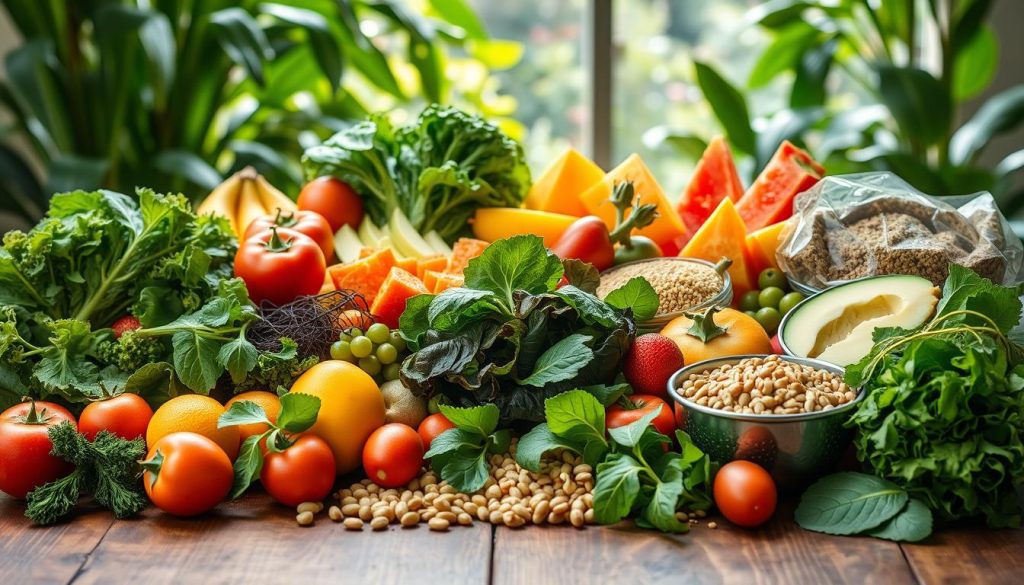
Going vegan is more than just food; it’s a way of life. It’s about living sustainably and showing kindness to animals. When you learn about vegan diets, you see it’s good for the planet and animals too. You’ll find many tasty, plant-based foods that make veganism enjoyable.
Choosing a vegan diet changes your health and how you see the world. It’s good for you and the planet. With more plant-based options available, switching to vegan is easier than ever. Start your vegan journey for better health and a greener planet!
Nutritional Value of a Vegan Diet
Many people are curious about the nutritional value of a vegan diet. It’s based on plant-based foods. With a little planning, you can make sure you get all the nutrients your body needs.
Getting enough plant-based proteins is key. Lentils, chickpeas, black beans, quinoa, and tofu are great sources. They provide essential amino acids and other important nutrients.
Vitamins and minerals are also important. Spinach and kale are full of iron and calcium. For vitamin B12, try fortified cereals, plant-based milk, and nutritional yeast. Eating a variety of fruits and vegetables gives you all the vitamins and minerals you need.
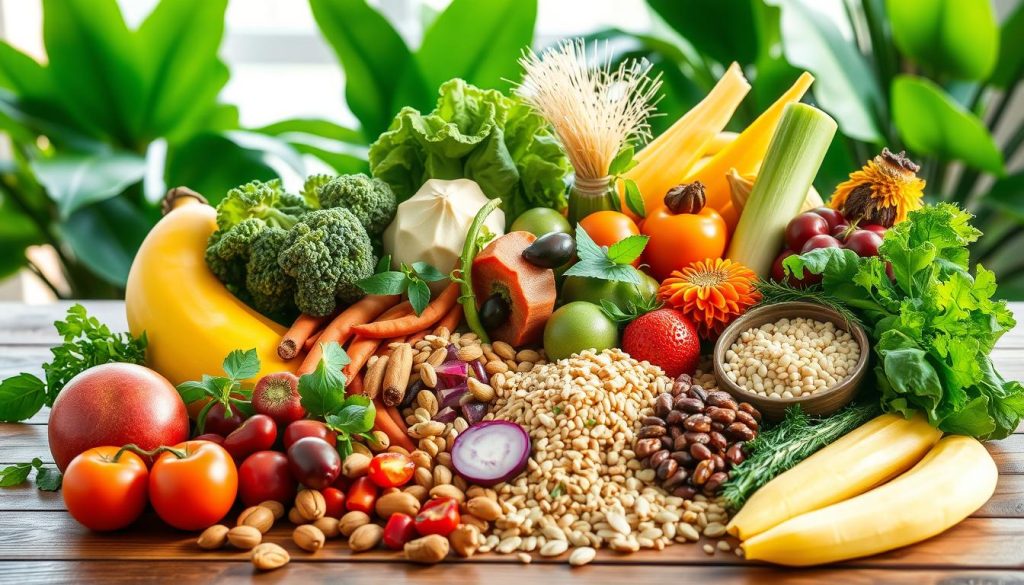
Healthy fats are also vital. Nuts, seeds, avocados, and olive oil are full of good fats. They help keep your heart healthy. Whole grains are also important, providing carbs and fiber for energy and digestion.
Eating a wide variety of plant-based foods is the key. This way, you get all the nutrients you need. It’s not only good for your health but also makes your diet interesting and tasty. Enjoy the variety of plant-based proteins and nutrients for a balanced vegan diet.
The Impact on Heart Health
A vegan diet is great for your heart. It helps lower the risk of heart disease. This is because it cuts down on saturated fats found in animal products.
Plant-based foods are key to keeping cholesterol levels healthy. Foods like oats, barley, fruits, and veggies are essential. They help prevent heart disease.
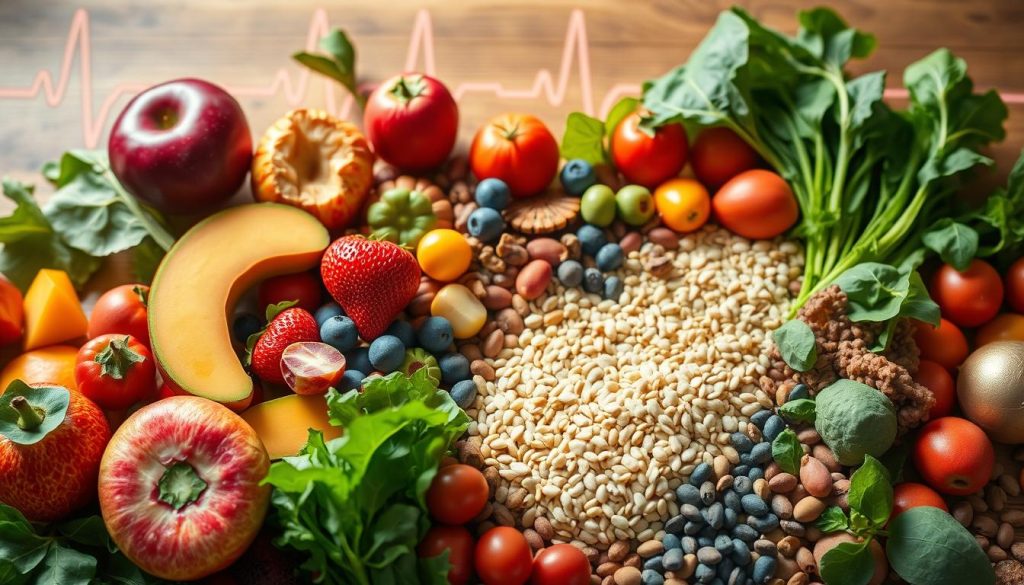
Also, a vegan diet can help control blood pressure. Plant-based foods are full of fiber, antioxidants, and healthy fats. These keep blood pressure in check.
This means a vegan diet does more than just lower heart disease risk. It also improves heart function and can help you live longer.
Weight Management and a Vegan Diet
Looking to control your weight with veganism? You’re on the right path. A plant-based diet helps with natural weight loss. It’s full of fiber and low in calories.
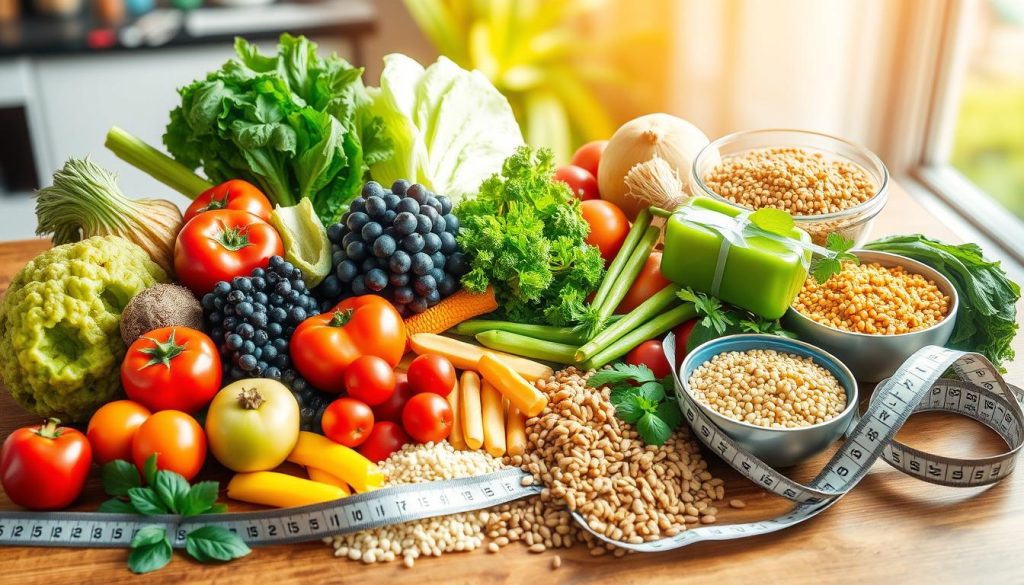
Staying healthy is easier on a vegan diet. Meals are lower in bad fats and sugars. Adding more veggies and legumes makes your diet fulfilling and nutritious.
Fiber in plant-based diets helps you feel full. This can lead to eating fewer calories. It’s a big help in keeping your BMI healthy.
In short, a vegan diet is great for losing weight. It focuses on whole foods, cutting down on empty calories. Choosing veganism for weight control leads to a healthier lifestyle.
The Role of a Vegan Diet in Diabetes Prevention
Switching to a plant-based diet can greatly improve your health, especially in preventing diabetes. A vegan diet is rich in fiber and low in glycemic index foods. These help keep your blood sugar levels in check.
Whole grains, legumes, and colorful veggies and fruits are essential in a vegan diet. They are full of nutrients that boost insulin sensitivity. This helps manage blood sugar levels effectively.
Research shows that vegans have a lower risk of diabetes than meat-eaters. The fiber in a vegan diet helps control blood sugar. Also, vegan diets are often lower in calories and unhealthy fats, which reduces the risk of type 2 diabetes.
Adding more plant-based foods to your diet can greatly benefit your health. It’s not just about controlling diabetes. A vegan diet can also improve heart health, help with weight management, and strengthen your immune system. Making the switch to a vegan diet can be a big step towards better health and a higher quality of life.
Quick Recommendation: Our blog covers the many health benefits of a vegan diet. If you would like to get an even deeper understanding of a plant-based diet, we recommend the Vegan Diet EBook.
Boosting Your Immune System with a Vegan Diet
A vegan diet is great for your immune system. It focuses on foods that boost your health. Fruits, vegetables, nuts, and seeds are full of nutrients and antioxidants.
Citrus fruits, berries, and leafy greens are especially good. They’re packed with vitamins and minerals. These foods help fight off infections and illnesses.
Adding a variety of these foods to your diet is key. Whole grains, legumes, and healthy fats like avocados and nuts are essential. They give your body the nutrients it needs to stay healthy.
Improving Digestive Health
Switching to a vegan diet can greatly improve your digestive health. One major benefit is the increase in fiber, which boosts gut health. Plant-based foods are full of dietary fiber, crucial for a healthy digestive system.
Dietary fiber helps make bowel movements easier and more regular. This can prevent issues like constipation and diverticulosis. Adding more fiber-rich foods like fruits, vegetables, legumes, and whole grains helps your gut and offers vegan digestive benefits.
Also, a vegan diet rich in fiber keeps your gut microbiome healthy. More fiber feeds the good bacteria in your gut. These bacteria make short-chain fatty acids, which fight inflammation and support your intestines. So, the fiber in a vegan diet does more than just help your gut; it boosts your overall digestive health.
Environmental and Ethical Considerations
Adopting sustainability veganism means you’re making a choice to help the planet. It’s about reducing your carbon footprint and making ethical food choices. A plant-based diet uses fewer resources and emits less greenhouse gases than animal farming.
By choosing vegan, you’re helping to save our planet for the future. This choice is a big step towards a greener tomorrow.
Water conservation is also a big win. Animal farming uses a lot of water, which can deplete our freshwater sources. Switching to plants helps save this precious resource.
Choosing vegan also means you’re standing up for animal welfare. You’re not supporting industries that harm animals for profit. This choice shows you care about all living beings.
Plant-based food production is also sustainable. It uses land more efficiently and keeps soil healthy. It also reduces deforestation and supports biodiversity.
By choosing veganism, you’re promoting a food system that’s good for both people and the planet. This lifestyle shows true respect for our world.
Common Misconceptions about Vegan Diets
Many people have wrong ideas about vegan diets. One big myth is that vegans can’t get enough protein. But, foods like legumes, tofu, quinoa, and more are packed with protein.
Some think vegans don’t get enough calcium without dairy. But, leafy greens, plant milks, and tahini are great sources of calcium. This makes it easy to debunk myths about calcium.
Another common belief is that vegan diets are boring and limited. But, there are so many plant-based foods to choose from. Fruits, veggies, grains, nuts, and seeds offer endless flavors and options. This shows that vegan diets are far from boring.
Conclusion
Choosing a vegan lifestyle can bring many health benefits, backed by science. It can improve heart health, help with weight, and boost your immune system. A vegan diet is rich in nutrients, thanks to plant-based foods.
Going vegan also helps the environment and supports animal welfare. It reduces your carbon footprint and promotes a kinder world. This choice has a big impact on our planet and its creatures.
Reflecting on these benefits, it’s clear that veganism is good for you and the world. It’s a lifestyle that offers many advantages. Whether you’re fully vegan or just trying it out, the benefits are worth exploring.
Quick Recommendation: Our blog covers the many health benefits of a vegan diet. If you would like to get an even deeper understanding of a plant-based diet, we recommend the Vegan Diet EBook.
Thanks for sharing. I read many of your blog posts, cool, your blog is very good.