

Keeping your joints flexible and mobile is key to your health and well-being. But, it’s often ignored until you start to feel pain. Let’s dive into why flexibility matters and how exercises can help you move better. Whether you’re new to fitness or just want to keep up your current routine, learning about joint movement can change everything.
Quick Recommendation: Our blog takes you through the many natural supplements for joint pain relief. If you're interested in exploring the subject of joint pain relief and joint health more comprehensively, we recommend the Joint Health 101 eBook.
The Importance of Joint Flexibility
Flexible joints are key for everyday tasks and sports. They let you move more freely, making daily activities easier and safer. This is crucial whether you’re carrying groceries or playing basketball.
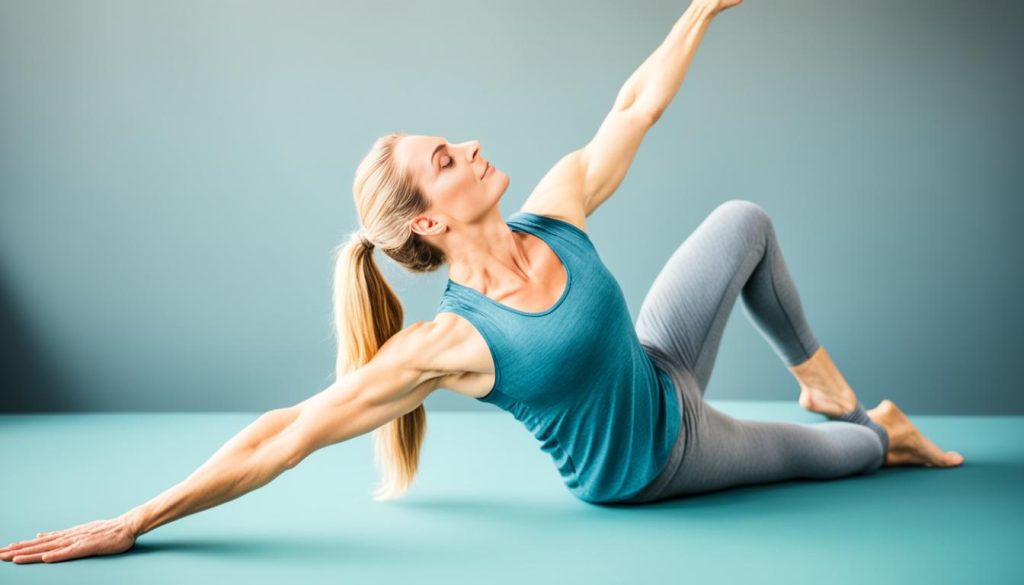
Flexible joints also mean less pain, especially as you get older. As age catches up, keeping your joints flexible is more vital than ever. Studies link joint flexibility with less pain, leading to a better life.
Moreover, staying flexible helps keep your joints healthy and agile. Adding flexibility exercises to your routine boosts your movement and shields your joints from damage. Focusing on flexibility is about being active now and staying pain-free later.
Dynamic vs. Static Stretching
Stretching is key to improving your joint flexibility and mobility. There are two main types: dynamic and static stretches. Let’s look at each to see their benefits and how to fit them into your routine.
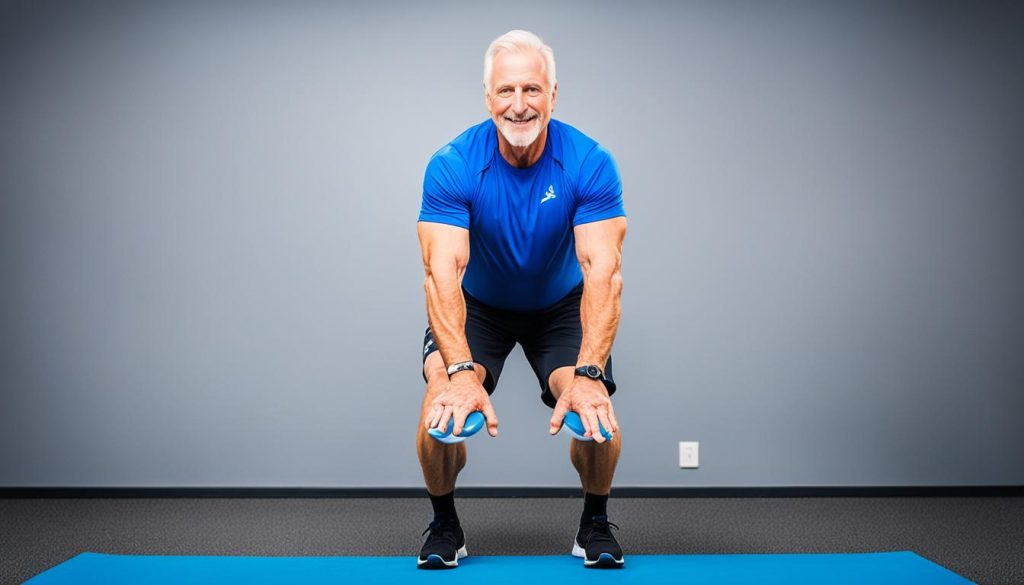
Dynamic stretching means moving your joints and muscles through a full range of motion. Examples are leg swings, arm circles, and walking lunges. These are great for warming up because they boost blood flow, warm up muscles, and get your body ready for activity. They help you perform better and lower the risk of getting hurt.
Static stretching, on the other hand, involves holding a stretch for 15 to 60 seconds. You can do stretches like touching your toes, standing quadriceps stretches, or seated hamstring stretches. These are perfect for cooling down after a workout. They help relax muscles, ease tension, and improve flexibility over time.
Each stretching type has its own role in a good fitness plan. Dynamic stretches get your body ready for exercise during warm-ups. Static stretches help with recovery and flexibility during cool-downs. Experts like Jeff Cavaliere from Athlean-X say mixing both types is key to keeping joints healthy and improving overall performance.
Effective Stretching Techniques
Improving mobility and keeping flexibility requires a mix of stretching techniques. These methods are great for everyone, from beginners to athletes. They help with fitness at all levels.
Begin with a stretch routine that has both dynamic and static stretches. Dynamic stretches, like leg swings or arm circles, are good for warming up before exercise. Static stretches, such as hamstring or butterfly stretches, are perfect for cooling down and stretching muscles after working out.
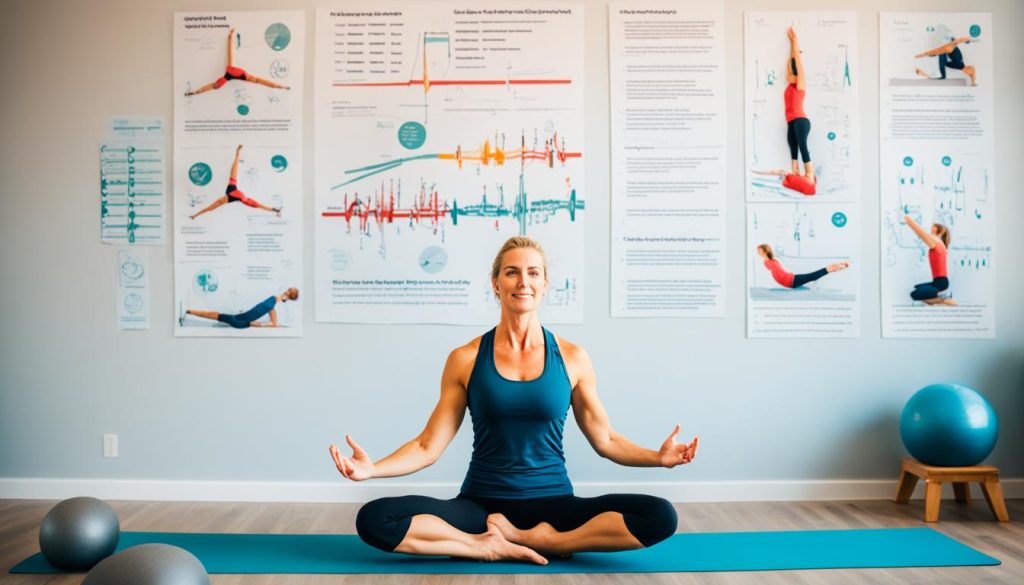
Keep track of how your flexibility and mobility improve over time. Note how far you can stretch and check these points often. Regular practice will help you see better results in your range of motion and flexibility.
Safety is key in these routines. Always listen to your body and don’t push too hard to avoid injuries. Hold each stretch for 15 to 30 seconds and breathe deeply. Following these tips will make your stretching safe and effective.
Incorporating Yoga into Your Routine
Adding yoga to your daily routine can greatly improve your joint flexibility and mobility. By practicing yoga regularly, you can focus on specific body areas. This helps increase your range of motion and supports joint health.

Beginners can start with easy poses like Downward Dog and Cat-Cow stretches. As you get better, try poses like Pigeon and Warrior II for deeper stretches. These poses help improve joint flexibility even more.
Adding yoga to your daily fitness plan is good for your joints and overall well-being. Many yoga teachers suggest mixing stretching and strengthening poses. This keeps your joints healthy.
For the best results from yoga, be consistent. Try practicing three to four times a week. Include both dynamic and static poses to see the most benefits.
Quick Recommendation: Our blog takes you through the many natural supplements for joint pain relief. If you're interested in exploring the subject of joint pain relief and joint health more comprehensively, we recommend the Joint Health 101 eBook.
Nutrition for Joint Health
Proper nutrition is key for keeping joints healthy and flexible. Foods that support joints help reduce inflammation and aid in repair and upkeep.
Omega-3 fatty acids in foods like salmon, walnuts, and chia seeds are great for fighting inflammation. They can ease joint pain and swelling. Adding spinach and kale to your meals boosts joint health with antioxidants.
Vitamins and minerals like Vitamin D, calcium, and magnesium are vital for bones and joints. Eating dairy, fortified cereals, and green veggies helps meet these needs. Also, colorful fruits and vegetables fight oxidative stress, which harms joints.

Supplements can help if getting enough nutrients from food is hard. Glucosamine and chondroitin support cartilage health. Fish oil and turmeric are also good for reducing inflammation.
Adjusting your diet for an active life is more than just eating joint-friendly foods. Stay hydrated and eat a balanced mix of proteins, healthy fats, and carbs. This approach improves joint flexibility and overall fitness.
The Role of Hydration
Drinking enough water is key for your health, especially for your joints. It keeps your joints well-lubricated, which is crucial for staying flexible and absorbing shocks. This helps your joints work better and stay healthy.
It’s important to know how water helps your joints. Drinking enough water keeps your joints well-lubricated. This prevents stiffness and pain. Without enough water, you might move less easily and feel more pain, making everyday tasks harder.
- Carry a reusable water bottle to remind yourself to drink water regularly.
- Set reminders on your phone to drink water at regular intervals.
- Incorporate water-rich fruits and vegetables into your diet, such as cucumbers, oranges, and watermelon.
- Drink a glass of water before and after your workout to compensate for fluid loss.
Not drinking enough water can harm your joints. Dehydration can reduce the fluid that keeps your joints moving smoothly. This can cause pain and make your joints wear out faster, leading to long-term problems.
Drinking enough water helps your joints work better. Make staying hydrated a habit for better joint health.
Using Foam Rolling for Joint Mobility
Foam rolling is great for improving joint mobility through myofascial release. It helps release muscle tightness and boosts blood flow. This is key for keeping joints flexible. By doing foam roller exercises often, you can increase your movement range and lessen muscle soreness.
Targeting certain joints and muscles with foam rolling can really help. For example, rolling your calves, hamstrings, and quads can ease lower body tension. This improves knee and hip mobility. Rolling your back and shoulders can also help loosen tightness in your upper body, making you more flexible overall.
Adding foam rolling to your daily routine is easy. Start with a few minutes a day on major muscle groups. Adjust the pressure based on what feels right for you. This makes foam rolling more comfortable and effective. It also aids in muscle recovery after exercise and improves flexibility.
Experts suggest combining foam rolling with other exercises and stretches for best results. It’s a great addition to your stretching routine. By sticking with foam roller exercises, you keep your joints and muscles in top shape.
Conclusion
Improving joint flexibility and mobility takes time and effort. We’ve looked at many ways to do this, from understanding how important it is to the best ways to stretch. We also talked about how yoga, good food, and enough water help keep your joints healthy.
Staying flexible means doing things like foam rolling and stretching regularly. This helps your joints work better. By exercising mindfully, eating well, and drinking enough water, you can live a healthier life.
Adding these tips to your daily life can really change things. It’s not just about trying hard sometimes. It’s about making a long-term plan to keep your joints healthy. Stick with it, and you’ll see your joints moving better, making life easier and less painful.
Be excited and committed to these changes. It’s not just about avoiding pain. It’s about living fully and enjoying every move you make. Keep moving, stay flexible, and be proud of taking care of your joints.
Quick Recommendation: Our blog takes you through ways to improve your joint flexibility and mobility. If you're interested in exploring the subject of joint health more comprehensively, we recommend the Joint Health 101 eBook.
Thank you for your sharing. I am worried that I lack creative ideas. It is your article that makes me full of hope. Thank you. But, I have a question, can you help me?