

Are you sure you’re getting the most out of intermittent fasting? Or are you making mistakes that block your progress? In this part of our guide, we explore the common errors even experienced fasters make. With more people turning to intermittent fasting for health and weight loss, knowing these mistakes is key to doing it right.
Why stick to routines that don’t yield the best results when you can tweak a few habits for optimum health benefits?
Quick Recommendation: Our blog covers the common mistakes to avoid when intermittent fasting. If you want a comprehensive formula, we recommend the Intermittent Fasting Formula.
Understanding Intermittent Fasting
Intermittent fasting means switching between eating and fasting based on certain rules. Knowing different protocols can help you get the most out of fasting. For example, the 16/8 method involves fasting for 16 hours and eating in an 8-hour window.
The 5:2 diet is another choice. You eat normally for five days and eat very little for two days. Eat-Stop-Eat means fasting for 24 hours, once or twice a week. Knowing these methods is key to reaching your health goals.

Intermittent fasting does more than help you lose weight. Studies show it can also improve your metabolic health. It helps control blood sugar and insulin levels better. Plus, it might make your brain work better over time.
Dieticians say it’s important to start fasting carefully to get these benefits. Make sure your fasting fits your life and listen to your body. This way, fasting can be a lasting and effective part of your routine.
Skipping Meals Without a Plan
Skipping meals without a plan can harm your body. Experts say it’s key to have a schedule for meals. This helps keep your metabolism in check.
It’s important to eat when your body naturally wants to. This aligns with your body’s natural rhythms. It’s good for your health.
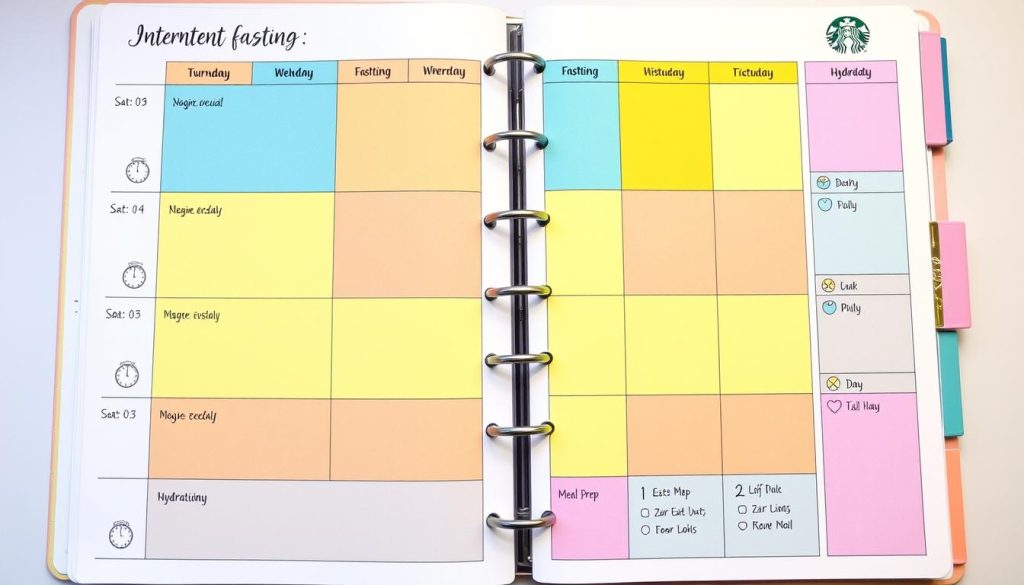
Studies show that a set fasting schedule is important. Skipping meals randomly can cause health problems. It makes it hard to keep your energy up and avoid nutritional gaps.
Having a plan for fasting helps you stay consistent. This balance is crucial for your health.
Experts warn against unplanned fasting. It can lead to overeating when you do eat. To get the most from fasting, plan your meals and fasting times carefully.
Not Drinking Enough Water
When you’re fasting, it’s key to stay hydrated. Not drinking enough water can make you feel tired, give you headaches, and hurt your brain. Health experts say water is important for your joints, spinal cord, and body temperature.

It can be hard to tell if you’re thirsty or hungry, especially when you’re fasting. To stay on track, carry a water bottle with you. This makes it easy to keep an eye on how much water intake you have.
How much water should you drink while fasting? Experts say drinking half your body weight in ounces is good. For instance, if you weigh 150 pounds, aim for 75 ounces of water a day. This helps you stay hydrated without drinking too much.
Don’t forget to eat hydrating foods like cucumbers and watermelons during your eating times. They help with your water intake and keep you hydrated. Always listen to your body and drink enough water for a successful fast.
Overeating During Eating Windows
Intermittent fasting can be good for your health, but eating too much during your eating times can undo these benefits. It’s important to control your portions to keep your diet healthy. Studies show that people often eat more during these times, leading to more calories.
Planning your meals in advance is a good way to manage portions. Making balanced meals helps you avoid eating too much and ensures you get the nutrients you need.
Experts suggest using smaller plates and bowls to control how much you eat. This simple change can help you eat less during your eating times. Also, drinking water before meals can make you feel fuller and stop you from eating too much.

Listening to your body’s hunger and fullness signals is crucial. Many people who have lost weight with intermittent fasting say it’s because they eat mindfully.
By controlling your portions and avoiding binge eating, you can get the most out of intermittent fasting. This way, you can reach your health goals.
Ignoring Your Body’s Hunger Signals
Ignoring your body’s hunger signals is a big mistake in intermittent fasting. People often get confused, thinking thirst is hunger or emotional cravings are real hunger. It’s key to know your hunger cues to balance fasting and eating times.
Mindful eating helps you listen to your body’s signals. Before eating, check if you’re really hungry or just stressed. This way, you can tell real hunger from emotional eating, leading to better eating habits.
Mindfulness training teaches deep breathing and thinking to spot hunger cues. It’s important to listen to your body and act on it for fasting success. Experts say mindful eating stops overeating and highlights the need to recognize hunger.
Knowing and listening to these signals can change your fasting journey. It makes fasting more effective and sustainable. Use psychological insights to understand your eating better, supporting mindful eating.
Quick Recommendation: Our blog covers the common mistakes to avoid when intermittent fasting. If you want a comprehensive formula, we recommend the Intermittent Fasting Formula.
Choosing Unhealthy Foods
Choosing the right foods during your eating periods is key. Opting for nutrient-poor options can harm your health and energy. Instead, pick nutritious foods that give you important vitamins and minerals.
For example, skip processed snacks and go for whole foods like fruits, veggies, and lean proteins.
Choosing unhealthy foods means missing out on quality calories. Quality calories are found in foods that are full of nutrients and support your health. Drinking water or herbal teas instead of sugary drinks can boost your hydration and health.
Studies show that eating quality calories from whole foods keeps your diet balanced. This ensures you get all the vitamins and minerals your body needs. Experts say adding different food groups to your meals is best for a balanced diet.
Research also shows that choosing nutritious foods leads to better health.
Not Getting Enough Sleep
When it comes to successful fasting, sleep’s impact on health is often underestimated. Getting enough sleep is key for overall well-being. It can greatly affect your fasting and sleep patterns. Lack of sleep can lead to hormone imbalances, making it harder to lose weight and affect fasting results.
Research shows that not enough sleep can disrupt metabolic health. This leads to cravings and poor food choices. For effective fasting, focus on your sleep hygiene. Experts suggest a calming bedtime routine, less screen time before bed, and a consistent sleep schedule.
Getting enough rest is crucial for your fasting and sleep patterns. Prioritizing sleep helps regulate hunger hormones. This makes it easier to follow your fasting plan. By understanding sleep’s role in health, you can improve your fasting experience and overall health.
Studies also show a link between sleep duration and health. Recognizing sleep’s importance helps make better choices for fasting and well-being. So, don’t overlook the power of quality sleep in your fasting journey.
Excessive Exercise While Fasting
When fasting, it’s tempting to do more exercise to make up for missing meals. But too much exercise can harm your muscles and increase injury risks. It’s key to find the right balance in your workouts to stay healthy and meet your fasting goals.
Dr. Jason Fung warns that too much effort while fasting can drain your energy and make injuries more likely. It’s important to choose low-impact activities like walking, yoga, and stretching. These are better for your body while fasting.
Research in sports medicine backs this up. It shows that intense workouts can put too much strain on your body. Mix different exercises that work your muscles without overdoing it. This way, you get the most out of your workouts without harming your body.
Personal trainers advise listening to your body and finding a balanced workout routine. Try interval training and light strength exercises for a good mix of activity and rest. With the right fasting workout tips, you can create a routine that boosts your fitness and fasting success.
Neglecting Nutrient Intake
One big mistake in intermittent fasting is forgetting about essential nutrients. With shorter eating times, make sure each meal is full of important nutrients.
The American Heart Association stresses the need for a balanced diet, especially when fasting. It’s easy to miss out on key nutrients when you eat less often. Adding foods rich in nutrients like leafy greens, lean proteins, and whole grains can help.
Dietitians suggest using dietary supplements during fasting to avoid nutrient gaps. They recommend multivitamins or omega-3s. While food is best, supplements can offer extra support.
Research backs up the use of supplements with intermittent fasting. It shows that fasting can lead to nutrient deficiencies if not planned well. So, a smart diet plan is key to staying healthy.
Giving Up Too Soon
If you’re thinking about quitting your intermittent fasting, remember the importance of sticking with it. Many people expect fast results and quit too early. But, fasting is a long-term journey that requires patience.
It takes time for your body to adjust to fasting. Setting realistic goals is key. You might not see results right away, but keep going and you’ll see big health improvements later.
When you doubt yourself, read stories of people who have succeeded. They faced tough times but kept going. Their stories show that with determination, you can gain more energy and clearer thinking.
Knowing that many people struggle and quit is also helpful. It shows that you’re not alone. Keep going, and the benefits will show up. Set small goals and celebrate each success to stay motivated.
Conclusion
Starting a successful intermittent fasting journey is not just about willpower. It also needs awareness and education to avoid common mistakes. We’ve looked at key errors that can stop you from reaching your fasting goals. These include skipping meals without a plan and neglecting nutrient intake.
By knowing these mistakes, you can better enjoy the benefits of intermittent fasting. It helps improve your metabolic health and manage your weight.
It’s important to stay hydrated, choose nutritious foods, and listen to your body’s hunger signals. Also, make sure to rest well and exercise regularly. These steps help you stay committed and enjoy the health benefits of fasting.
Keep learning and stay updated on fasting best practices. Connect with others who fast too. This will help you stay focused and avoid common mistakes. Your fasting journey will be rewarding and beneficial for your health.
Quick Recommendation: Our blog covers the common mistakes to avoid when intermittent fasting. If you want a comprehensive formula, we recommend the Intermittent Fasting Formula.
I don’t think the title of your article matches the content lol. Just kidding, mainly because I had some doubts after reading the article.