

In the United States alone, 31% of Americans will face an anxiety disorder sometime in their life. This is a significant part of the population.
Due to greater mental health awareness, more people are looking at meditation for stress relief. Have you thought about how just minutes of mindfulness could make a big difference in your life?
According to the National Institute of Mental Health, millions in the US have anxiety disorders. They are trying non-medicinal methods like meditation to help manage this.
Meditation has lots of perks, like lowering stress and better overall health. Studies in the Journal of the American Medical Association show it can reduce anxiety. Plus, the Mayo Clinic says anyone can do it, no matter their experience.
Wondering how to begin and keep at it? This article will guide you in how to meditate consistently for long-term anxiety relief.
Quick Recommendation: Our blog is filled with handy tips for starting a meditation practice for anxiety relief. If you're interested in taking your meditation journey to the next level, we recommend the InnaPeace program.
Introduction to Meditation and Anxiety
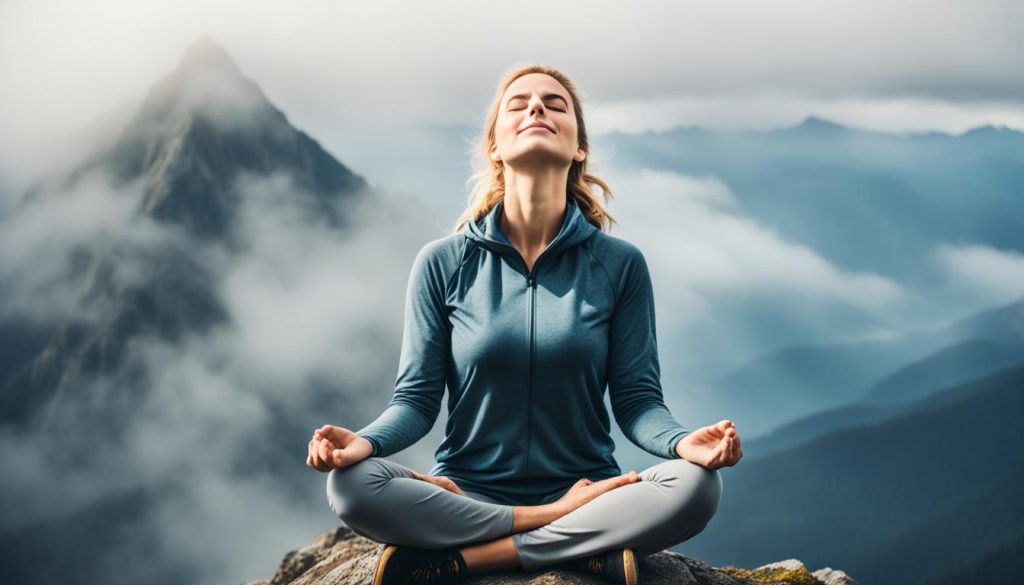
Meditation started long ago in India. It includes being mindful, focusing on one thing, and breathing practices. After a while, you’ll feel calmer and think more clearly.
Meditation is key to fighting stress and anxiety. The American Psychological Association says they’re closely linked. Dealing with stress poorly can lead to anxiety problems that hurt both mind and body.
One major benefit of meditation is changing how you react to stress. It makes you calmer during challenging times. According to Harvard Health Publishing, meditation changes our brain. This helps us relax and stress less.
If you’re new to meditation, it’s not hard to start with the right help. Psychology Today says beginners see benefits against stress. Doing meditation regularly can cut anxiety and lift your mood as time goes on.
Why Meditation Helps with Anxiety
Understanding the physiological effects of meditation is key to seeing its power in reducing anxiety through meditation. Studies show meditation changes how our brains deal with stress. It makes brain waves friendlier, which lets the brain handle stress and anxiety better. This leads to a calmer and more resilient you.

Meditation lowers cortisol, the stress hormone, according to the National Center for Complementary and Integrative Health. This means you’ll relax more and feel better overall. Plus, the American Journal of Psychiatry says meditation builds mindfulness. This helps ease anxiety by keeping your mind focused on the present.
Adding meditation to your daily routine fights anxiety. By spending time meditating, you give your mind a chance to refresh. This helps you protect against things that might make you anxious. The Lancet says meditation has a big impact on mental health. It promotes peace and better equips you to deal with stress.
Types of Meditation Techniques
When you start meditating, you find many ways to fight anxiety. One way is through guided meditation. Here, a teacher or a recording takes you through moments of peace or focuses your mind. It’s great for people new to meditation.
Mindfulness meditation is at the heart of the Mindfulness-Based Stress Reduction program. It teaches you to live in the now. You look at your thoughts and feelings without deciding if they’re good or bad. This helps you feel calmer and clearer, cutting down on stress.
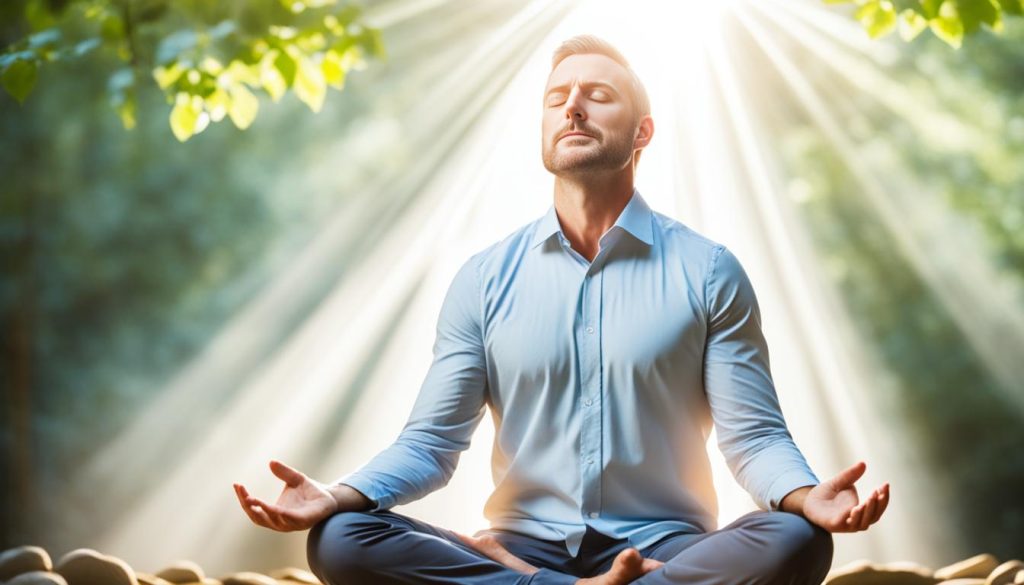
Concentration meditation is another strategy. You might focus on your breath or a special word intensely. This way encourages patience and a very still mind. It’s key for lessening anxiety. Even simple breathing exercises can make you feel better right away.
Finding what works best for you is all about trying different ways. So, give guided meditation, mindfulness meditation, and focusing techniques a shot. Your journey with meditation is unique. What helps one person may not be right for you. So, keep at it and enjoy feeling mentally and emotionally stronger.
Creating a Meditation Space
Creating a meditation corner in your home is key to a steady practice. Your spot can be small and simple. Choose a quiet area with few distractions. A cozy chair or soft cushions are great for comfort.
Adding personal touches makes meditation more enjoyable. Consider using candles, incense, or soft lights for a calm vibe. Plants or a small fountain can also bring peace to your space.
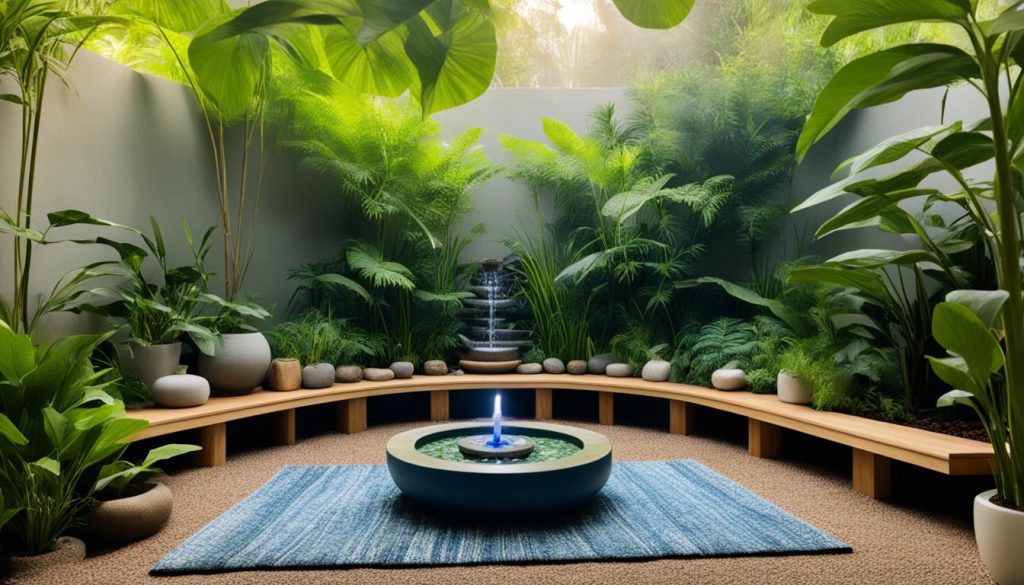
Setting up a meditation area doesn’t have to cost a lot. Use Feng Shui to improve the space’s energy. Keeping it simple will help you focus better.
Looking at places like *Architectural Digest* for ideas is good. They can inspire you to create a meditation area that suits you. Be creative to make it your own and grow your mindfulness journey.
Developing a Meditation Schedule
Setting up a consistent time for meditation is key in fighting anxiety effectively. Studies have shown that doing it often can really lower your anxiety. So, when you make time for it, you’re making sure you practice every day.
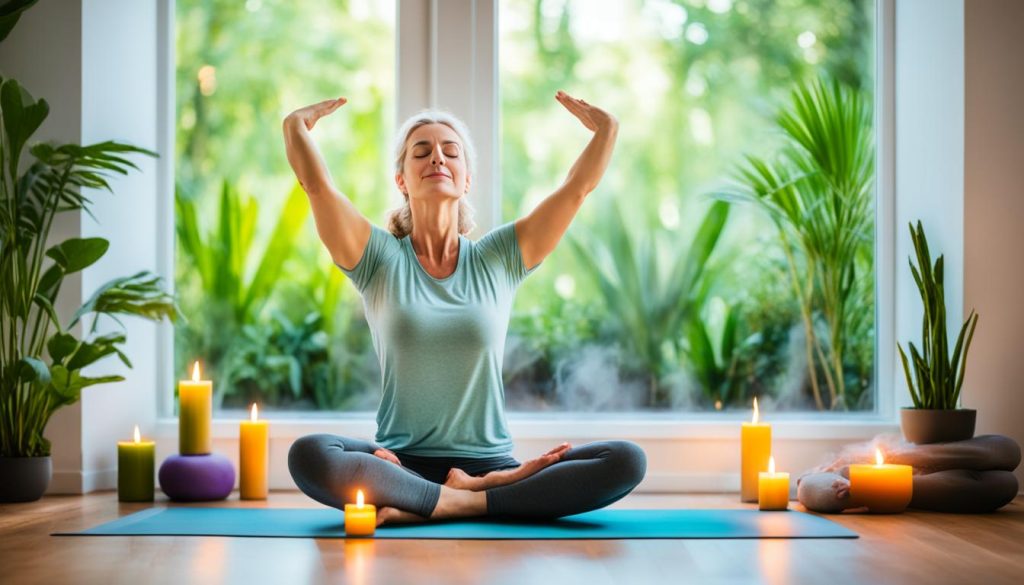
Finding the time to meditate can be tough when you’re busy. Experts in time management advise to start with short sessions. You can meditate for just five minutes to begin with. Then, as you feel more at ease, extend the time. This makes it simpler to fit meditation into your life.
It’s not always easy to keep going, though. But, knowing that consistency is key in meditation can really help. Meditating regularly helps it become a natural part of your daily routine. Building a habit, as Psychology Today notes, is crucial for managing anxiety in the long run.
Setting reminders or choosing a specific time of day to meditate might help. This can be in the morning or before bed. By overcoming these challenges, you make your meditation a regular part of your schedule. This approach really supports your mental wellbeing.
Quick Recommendation: Our blog is filled with handy tips for starting a meditation practice for anxiety relief. If you're interested in taking your meditation journey to the next level, we recommend the Innapeace program.
Tips for Staying Motivated
Starting with small meditation goals is important. As you achieve these, aim for more. This builds a strong habit of meditation. It makes it easier to continue over time. For example, you could begin with five minutes of meditation every morning. Then, you might decide to meditate for longer as you go.
It’s motivating to keep track of your meditation progress. You could use a diary to write down your sessions, documenting how you feel before and after meditating.
Being part of a meditation community helps a lot. You can find these communities online, through social media, or at local meditation classes. People share their meditation success stories. This can motivate you and offer new strategies.
Don’t forget to be kind to yourself as you form this habit. It’s not easy and you might face challenges. But, even a small moment of meditation is a win. Reminding yourself of this will prevent you from being too hard on yourself.
Using reminders can help you stay on track. You can set alarms or place notes in places you’ll see often. These small prompts can gently remind you to meditate. With time, these reminders will help meditation become a natural part of your day.
Common Challenges and How to Overcome Them
Starting your meditation journey can be a challenge. You might find it hard to focus due to thoughts wandering. Impatience and having too little time are also issues for many beginners. It’s important to know these hurdles before starting. This helps you set realistic goals and not be discouraged.
If your mind wanders a lot, don’t worry. Just gently bring your thoughts back to your breath or another focus point. It’s okay for your mind to wander. What’s key is to not get upset, but keep practicing bringing your focus back every time it drifts.
Being patient in your meditation is important. Remember, the benefits come gradually. You don’t have to be perfect at first. Time limits might also be a problem. But, even meditating for five minutes is good. Adding meditation to your daily schedule can help. You don’t need perfect quiet or a special place. Consistency and fitting meditation into your life is what matters.
Everyone faces challenges in meditation. The big thing is to know that these challenges are opportunities to learn. By doing small mindfulness exercises, you can keep at it. Also, it’s good to change what you expect. This makes meditation easier to stick with over time.
Tracking Your Progress
Starting a meditation journey is fulfilling and changes your life. As previously mentioned, it’s good to track how you’re doing over time. This way, you can see real changes and what you need to work on. A meditation journal helps a lot. You write down when you meditate and how it affects your anxiety. This helps you see the good meditation does for you.
Meditation apps are also great. They help you set goals, remind you to meditate, and give you feedback. Think about how meditation has changed your life. Reflecting on this can help you love meditation even more.
When you’re looking at your meditation, keep track of how often you do it, your anxiety levels, and how well you sleep. Studies show this can help you understand how meditation works. Thinking about your meditation regularly makes keeping a journal more beneficial. This makes all your hard work pay off even more.
Combining Meditation with Other Anxiety Relief Techniques
A good way to deal with anxiety is to mix meditation with other methods. Doing this helps many people. They feel better by adding various meditation therapies to their daily life.
Yoga and meditation go well together. Yoga offers exercises for the body and full stress relief. Things like doing muscle relaxation or deep breathing with meditation can make it even more soothing.
If anxiety is a big problem for you, getting help is important. Professionals in mental health can give advice. They help with combining meditation with therapy or medicine. This helps manage anxiety better.
There are real cases that show how mixing meditation with other things works. Listening to advice from holistic health experts can give you ideas. You can make your own plan for dealing with anxiety.
Conclusion
Starting your meditation journey can greatly reduce anxiety. We’ve covered benefits and tips in this article. By staying calm through practice, you can improve your health.
The first step might seem hard, but trying meditation for a bit can show real changes. Important point: stay patient and keep at it. Slow progress adds up, making it easier to handle anxiety.
Keep learning and practicing to improve. Look for more info and connect with others with similar aims. This path to ease anxiety with meditation is both fulfilling and helpful for personal growth.
Quick Recommendation: Our blog is filled with handy tips for starting a meditation practice for anxiety relief. If you're interested in taking your meditation journey to the next level, we recommend the InnaPeace program.