

Have you ever seen people easily fit intermittent fasting into their daily life? They seem to keep their energy and stay healthy. It’s intriguing, right?
If you’re new to intermittent fasting, you’ve come to the right spot. It’s not a diet but a way to eat that fits your life and tastes. By eating and fasting at different times, you can gain many health benefits. Curious? Keep reading to learn the basics of intermittent fasting and how it can change your health and wellness.
Quick Recommendation: Our blog is a beginner's guide to intermittent fasting. If you're interested in exploring intermittent fasting more comprehensively, we recommend the Intermittent Fasting Formula.
What is Intermittent Fasting?
Intermittent fasting means eating and fasting in cycles. It’s different from other diets that focus on what foods to eat and avoid. Instead, it’s about when you eat. This makes it a flexible way to eat, letting you choose your meals during eating times.
This method has a long history, dating back centuries. It was used in ancient Greece and is still practiced in some religious traditions. Now, it’s a popular health trend supported by fitness experts and doctors.

There are many fasting cycles you can try, depending on your life and goals. For example, the 16/8 method means fasting for 16 hours and eating during an 8-hour window. Another option is the 5:2 method, where you eat normally for five days and eat less on the other two days.
This diet strategy can help control your metabolism and offer health benefits. We’ll look into these benefits more later. Learning about intermittent fasting and its history helps understand why it’s becoming a key part of wellness routines.
Health Benefits of Intermittent Fasting
Intermittent fasting is becoming more popular because of its many health perks. It helps with weight loss by cutting down on calories and boosting your metabolism. This way, your body starts to use stored fat for energy, making your metabolism better.
It also boosts brain health. Studies show that it can make your brain work better and protect it from diseases like Alzheimer’s. This is because it increases brain-derived neurotrophic factor (BDNF), which helps brain cells grow and stay healthy.
Plus, it can lower inflammation in your body. Chronic inflammation can cause many health issues, so reducing it is good for you. It also makes your body more sensitive to insulin, which helps control blood sugar levels and lowers the risk of type 2 diabetes.
There’s also evidence that it can help you live longer. It supports cellular repair, like autophagy, where old or damaged cells are removed and new ones take their place. This keeps your body healthy. These benefits make a strong case for trying intermittent fasting.
Popular Intermittent Fasting Methods
Intermittent fasting has many popular methods. The 16/8 method is one of the top choices. It means fasting for 16 hours and eating for 8 hours. This fits easily into a daily routine, like skipping breakfast and eating at noon.
The 5:2 diet is another favorite. You eat normally for five days and eat less on two days. This gives flexibility for those who can’t fast every day.
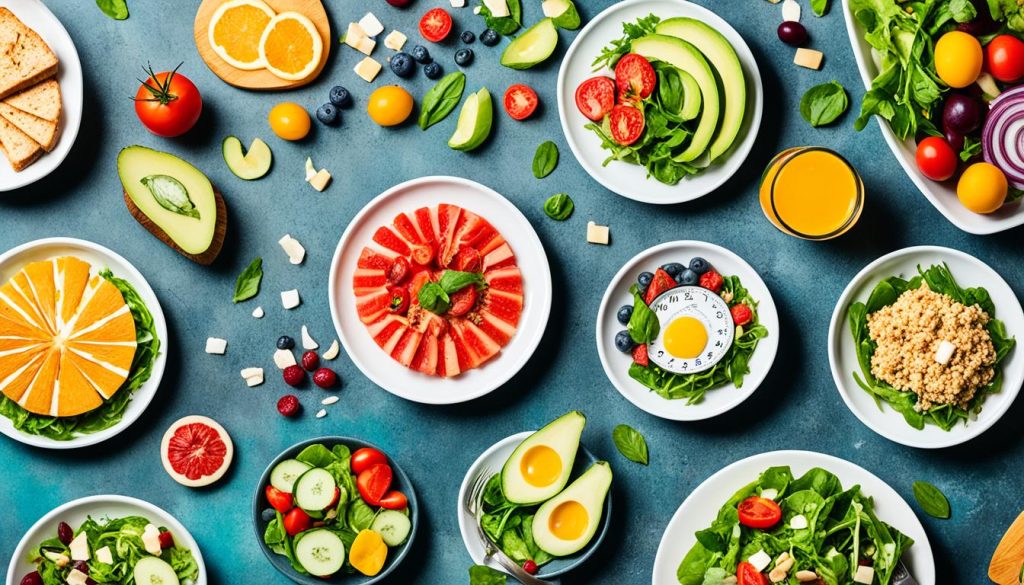
The eat-stop-eat method is about fasting for 24 hours a few times a week. For example, you might not eat from Monday 7 PM to Tuesday 7 PM. It’s tough but lets you fast less often.
There are also alternative fasting methods for different needs. These include fasting every other day or the Warrior Diet, eating small amounts during the day and a big meal at night.
With these options, you can pick a fasting plan that suits your life and goals. Whether you like the 16/8 method or the 5:2 diet, there’s a plan for you.
How to Choose the Right Intermittent Fasting Plan
When you’re ready to start intermittent fasting, think about your health goals and daily life. It’s key to make fasting fit easily into your routine. Whether you want to lose weight, boost your metabolism, or improve your health, pick a fasting plan that matches your goals.
Consider your daily schedule when choosing a fasting plan. Think about when you’re most active and when you feel hungry. For example, if mornings are tough without breakfast, choose a plan that lets you eat early. On the other hand, if skipping breakfast is easy for you, a 16/8 method could work well.
It’s also vital to consider any health conditions or dietary needs you have. Talking to health experts can help make sure your fasting plan is safe and right for you. Making fasting fit your lifestyle means adapting it to your body and health needs.
Reaching your health goals is possible with careful thought and planning. Intermittent fasting is flexible, so you can change your eating and fasting times as needed. Tailoring fasting to your lifestyle and health goals makes it more sustainable and fun.
Quick Recommendation: Our blog is a beginner's guide to intermittent fasting. If you're interested in exploring intermittent fasting more comprehensively, we recommend the Intermittent Fasting Formula.
Getting Started with Intermittent Fasting
Starting intermittent fasting needs a careful plan. Begin by slowly increasing your fasting time. For example, if you usually eat at 8 PM, try eating at 7 PM the next week, then 6 PM after that. This gradual change helps your body adjust better.
Drinking enough water is key when fasting. It keeps your energy up and helps control hunger. You can also have herbal teas and black coffee to feel full without breaking your fast.
Handling hunger is a big part of fasting. Don’t ignore your hunger signals. Sometimes, a short fast can make you hungry. Give your body time to adjust, and the hunger will lessen as you get used to fasting.
Dealing with social events can be tough when fasting. Tell your friends and family about your fasting to avoid surprises. At social events, stick to water or drinks without calories. Also, plan your meals around these events to keep your fasting schedule and not feel left out.
Getting ready for fasting also means eating well during your eating times. Choose foods like vegetables, lean proteins, and healthy fats. This helps you get the nutrients you need and makes fasting easier to stick with.
Always pay attention to how your body feels. If you’re too tired or not feeling well, you might need to change your fasting plan. Remember, fasting is a personal journey. It should fit your needs for the best results.
Common Mistakes to Avoid
Starting an intermittent fasting journey can be rewarding, but watch out for common mistakes. One big mistake is eating too much during your eating times. Aim for nutrient-dense foods, not unhealthy snacks. This keeps your fasting sustainable and diet balanced.
Another mistake is ignoring nutrient-rich foods. It’s tempting to eat anything you want. But focus on whole foods, veggies, fruits, lean proteins, and healthy fats. These foods boost your nutrition and prevent burnout.
Also, don’t expect quick results. A balanced approach is better for long-term success. Sustainable practices and consistency beat quick fixes. Setting realistic goals makes fasting more enjoyable and sustainable.
To prevent feeling unmotivated and burned out, listen to your body and adjust your fasting plan. Drinking enough water, getting enough sleep, and managing stress are key for your health. These habits help avoid burnout and make fasting better.
Avoiding these mistakes sets you up for success. Eat nutrient-dense foods, set achievable goals, and pay attention to your body. This makes your fasting journey sustainable and rewarding.
What to Eat During Eating Periods
When it comes to nutritious foods for intermittent fasting, focus on quality over quantity. Eating during your designated times is about replenishing calories and making smart food choices. These choices support your health overall.
An optimal eating window should include whole foods like fruits, vegetables, and whole grains. These foods give you essential nutrients without extra additives. Lean proteins, such as chicken breast, tofu, and fish, help repair and build muscle. They also keep you full for longer.
Healthy fats in avocados, nuts, and olive oil help your body absorb fat-soluble vitamins. They also make you feel full, reducing the chance of overeating. Complex carbohydrates, like quinoa and sweet potatoes, release energy slowly. This keeps you energized during fasting and feasting cycles.
Avoid using intermittent fasting as an excuse for junk food. Choosing healthy eating habits meets your fasting goals and boosts your well-being. Adding nutritious foods to your fasting routine and regular exercise enhances benefits. This makes your journey to better health more effective and fun.
Combining Intermittent Fasting with Exercise
Understanding how intermittent fasting and exercise work together is key. This combo can greatly improve your fitness and health. Using smart workout strategies with your fasting plan can lead to great results.
Timing your workouts is very important. Working out when you’re fasting can help with losing fat and building muscle. Morning workouts on an empty stomach are great for burning fat.
It’s also key to adjust how hard you exercise. When fasting, do low-intensity activities like walking, yoga, or light weight lifting. Save high-energy workouts for when you’re eating to have enough energy.
Managing your energy is crucial when fasting and exercising. Watch how your body reacts and adjust your workouts as needed. Eating a balanced meal after working out is important, especially if you do hard or long activities.
Finding the right mix of fasting and exercise takes some trial and error. Listen to your body, change your routine if needed, and keep at it for the best outcomes.
Conclusion
Embracing intermittent fasting can change your life, offering many health benefits. We’ve looked at the basics, different methods, and the health advantages. Finding the right plan might take some trial and error, but sticking with it can lead to great results.
Starting with intermittent fasting might feel tough at first, but it can become easy with the right mindset. Make sure to avoid common pitfalls, plan your meals well, and think about adding exercise for the best outcomes.
Intermittent fasting is more than a quick fix; it’s a lasting way to better your health. By sticking with it, you’re making a big step towards a healthier life. Keep exploring, stay updated, and use the many resources and groups out there to help you on your path to better health.
Quick Recommendation: Our blog is a beginner's guide to intermittent fasting. If you're interested in exploring intermittent fasting more comprehensively, we recommend the Intermittent Fasting Formula.